The compact SUV segment in India continues to expand rapidly, driven by evolving customer preferences, improved affordability, and tax benefits introduced in recent years. Carmakers are aggressively strengthening their portfolios in this space, and Hyundai Motor Company is preparing to take things a step further. The brand is working on a brand-new compact SUV that will sit above the popular Hyundai Venue, targeting younger buyers who seek a more premium, sporty, and tech-loaded offering.
New Model Likely Based on Hyundai Bayon
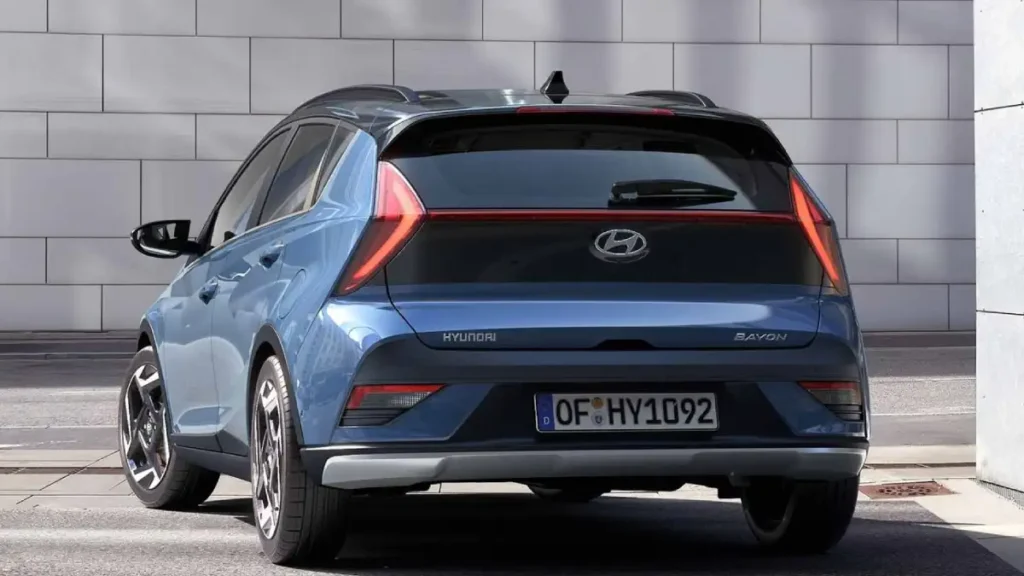
Hyundai’s upcoming compact SUV for India is expected to be the second-generation version of the Hyundai Bayon. The first-generation Bayon was introduced globally in 2021, primarily catering to European markets, but it never made its way to India.
Now, Hyundai appears ready to bring the updated version of this model to Indian shores. Internally codenamed ‘BC4i CUV,’ the new SUV is expected to serve as a more stylish and advanced alternative to the next-generation Venue. Its design is likely to reflect Hyundai’s latest global styling language, featuring sharper lines, bold lighting elements, and a more athletic stance.
Platform and Manufacturing Details
The upcoming compact SUV will share its platform with the fourth-generation Hyundai i20, which is already known for its strong build quality and refined driving dynamics. This shared architecture will allow Hyundai to maintain cost efficiency while delivering a modern driving experience.
Production of the new SUV is expected to take place at Hyundai’s manufacturing facility in Sriperumbudur. Local production will help the company price the vehicle competitively while ensuring faster delivery timelines.
Expected Launch Timeline
Hyundai is likely to introduce this new compact SUV in India around the festive season, with a potential launch window near Diwali. This timing aligns with the brand’s strategy of capitalising on peak consumer demand in the country.
Following the SUV’s launch, Hyundai is also expected to introduce the next-generation i20 hatchback, possibly in the second quarter of 2027.
Engine Options and Performance
Under the hood, the new compact SUV is expected to borrow powertrain options from the latest Venue. These may include
- 1.0-litre turbocharged three-cylinder petrol engine producing around 118 hp and 172 Nm torque
- A newly developed 1.2-litre turbocharged four-cylinder petrol engine
There is currently no confirmation regarding a diesel engine option, which suggests Hyundai may focus entirely on petrol and turbocharged efficiency for this model.
These engines are expected to offer a balance between performance and fuel efficiency, appealing to both urban drivers and highway users.
Features and Technology
Hyundai is likely to position this SUV as a feature-rich offering, with several segment-leading technologies. Expected highlights include
- Dual 12.3-inch digital displays for infotainment and instrument cluster
- All-LED lighting setup for a modern look
- Front and rear disc brakes for improved safety
- Electronic parking brake
- Wireless smartphone charging
- Four USB Type-C ports
- Ventilated front seats with powered driver seat
- Level 2 Advanced Driver Assistance Systems (ADAS)
One of the biggest highlights could be a dual-pane panoramic sunroof, which would significantly differentiate it from the Venue and enhance its premium appeal.
Sporty Design and N Line Variant
Hyundai is expected to emphasize the sporty character of this SUV by offering larger 17-inch alloy wheels, especially in higher trims. Additionally, the company is likely to introduce an N Line variant alongside the standard model.
The N Line version will focus on sportier styling elements, enhanced driving dynamics, and cosmetic upgrades, targeting enthusiasts who want a more performance-oriented compact SUV experience.
Positioning in the Market
With this upcoming model, Hyundai aims to create a new niche within the compact SUV segment. While the Venue will continue to cater to value-focused buyers, the new SUV will attract customers looking for a more refined, feature-packed, and premium alternative.
Its combination of bold design, advanced technology, and turbocharged performance could make it a strong competitor in one of India’s most competitive car segments.
Conclusion
Hyundai’s upcoming compact SUV is shaping up to be a significant addition to its India lineup. By introducing the second-generation Bayon with modern styling, powerful turbo engines, and cutting-edge features, the company is clearly targeting the next generation of SUV buyers.
If launched with competitive pricing and the promised features, this new model could quickly become one of the most desirable compact SUVs in India, further strengthening Hyundai’s position in the market.