
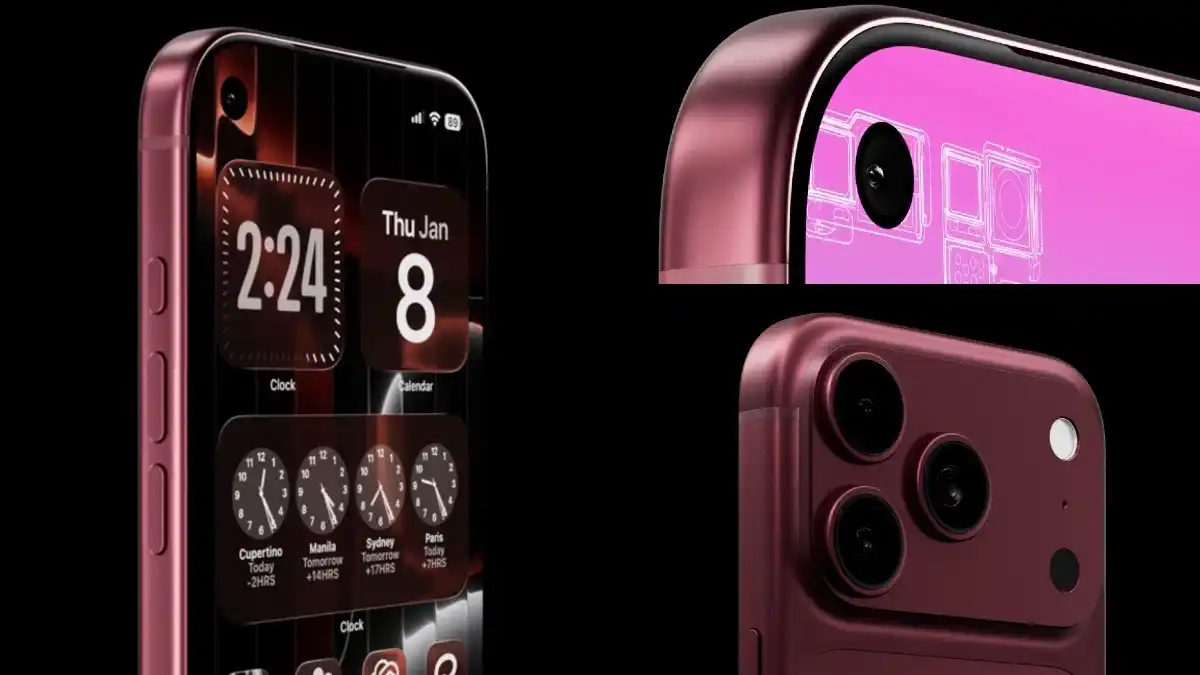
A new leak suggests that Apple could be planning a major upgrade to its iPhone camera system. According to tipster Digital Chat Station, the company is currently testing a 200-megapixel camera sensor for future devices.
The sensor is said to be a large 1/1.12-inch unit, which could significantly enhance image detail and clarity. However, the leak indicates that the testing is still in an early phase, and there is no confirmation on when this feature might be introduced in an iPhone.
Apple’s Camera Strategy May Shift
Apple has traditionally focused more on computational photography rather than increasing megapixel counts. Its approach relies heavily on software optimisation and AI to deliver high-quality images.
If Apple adopts a 200MP sensor, it would mark a significant shift in strategy, combining high-resolution hardware with its advanced image processing capabilities.
Limited Use in Camera Setup Expected
The leak further suggests that Apple is currently testing the 200MP sensor only for the primary camera. This means the company is not planning to implement it across all lenses in a multi-camera setup, at least for now.
Based on recent leaks around upcoming iPhone models, it appears unlikely that this sensor will debut in the immediate iPhone 18 lineup.
Competition Heating Up in Camera Technology
While Apple is still testing, other smartphone brands are already pushing boundaries in high-resolution camera technology. Devices like the rumored Oppo Find X9 Ultra are expected to feature advanced camera setups, including multiple 200MP sensors.
Brands such as Oppo and Vivo are focusing aggressively on high-megapixel sensors, including periscope zoom lenses, to enhance photography capabilities.
What This Means for Future iPhones
The introduction of a 200MP camera in iPhones could redefine smartphone photography for Apple users. With its strong software and AI ecosystem, Apple could potentially deliver superior image quality even with such high-resolution hardware.
For now, the development remains in testing stages, but it clearly signals Apple’s intent to compete more aggressively in the high-end camera smartphone segment.