
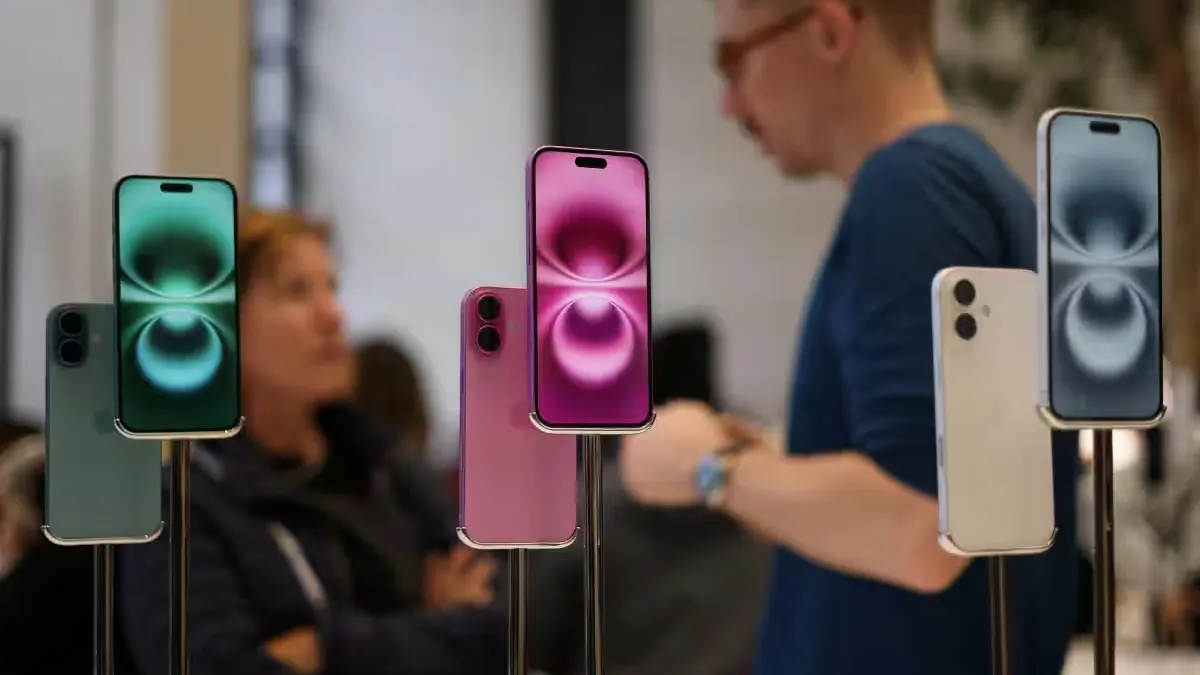
Buying an older iPhone in India is about to get more expensive. In a move that could impact millions of buyers, Apple is withdrawing its demand generation (DG) support for retailers. This decision is expected to raise the effective price of popular models like the iPhone 15 and iPhone 16 by around Rs 5,000, making them less attractive for budget-conscious consumers.
Apple Withdraws Key Retail Support
Apple’s DG support has played a major role in keeping iPhone prices competitive in India. These backend incentives allowed retailers to offer discounts without officially reducing the maximum retail price (MRP).
With this support now being withdrawn, retailers will no longer be able to provide similar discounts. As a result, even though the MRP remains unchanged, the final price paid by customers will increase. The change is expected to take effect almost immediately, according to market sources.
Cashback Cuts Add to Price Pressure
This pricing shift comes soon after Apple reduced its cashback offers. Earlier, customers could avail benefits of up to Rs 6,000, which have now been reduced to just Rs 1,000.
The combined impact of lower cashback and the removal of DG support has significantly altered the affordability of older iPhones. Meanwhile, the newer iPhone 17 series remains unaffected, creating a noticeable price gap between new and older models.
Why Older iPhones Remain Popular
Older iPhone models have traditionally enjoyed strong demand in India due to their value-for-money appeal. Devices like the iPhone 15 and iPhone 16 offered premium features at relatively lower prices after newer launches.
However, with discounts shrinking, this advantage may reduce. Buyers who were waiting for further price drops may now need to reconsider their purchase timing.
Demand May Stay Stable Despite Price Hike
Despite the expected increase in prices, demand is unlikely to drop sharply in the near term. A significant number of smartphone purchases in India are made through easy monthly instalments (EMIs), which reduce the impact of higher upfront costs.
This financing flexibility allows consumers to continue opting for premium devices like iPhones even when prices rise.
Industry-Wide Price Increases Continue
Apple’s move is part of a broader trend across the smartphone industry. Leading brands such as Samsung, Oppo, Vivo, Realme, Xiaomi, Motorola and Nothing have also raised prices in recent months.
The primary reason behind these increases is the rising cost of components, particularly memory and storage, which has pushed up manufacturing expenses across the board.
Tough Road Ahead for Smartphone Market
The outlook for India’s smartphone market in 2026 appears challenging. Factors such as global supply issues, currency fluctuations, and rising component costs are expected to impact growth.
According to the International Data Corporation, smartphone shipments in India could decline by 12–15 percent this year. While Android devices may face a sharper slowdown, Apple’s iPhone lineup is expected to maintain steady growth.
Conclusion
Apple’s decision to withdraw retail incentives marks a key shift in its India strategy. While older iPhones are set to become more expensive, strong brand demand and EMI options may continue to support sales. However, for buyers looking for the best deals, the opportunity to purchase older iPhones at lower prices may be disappearing quickly.