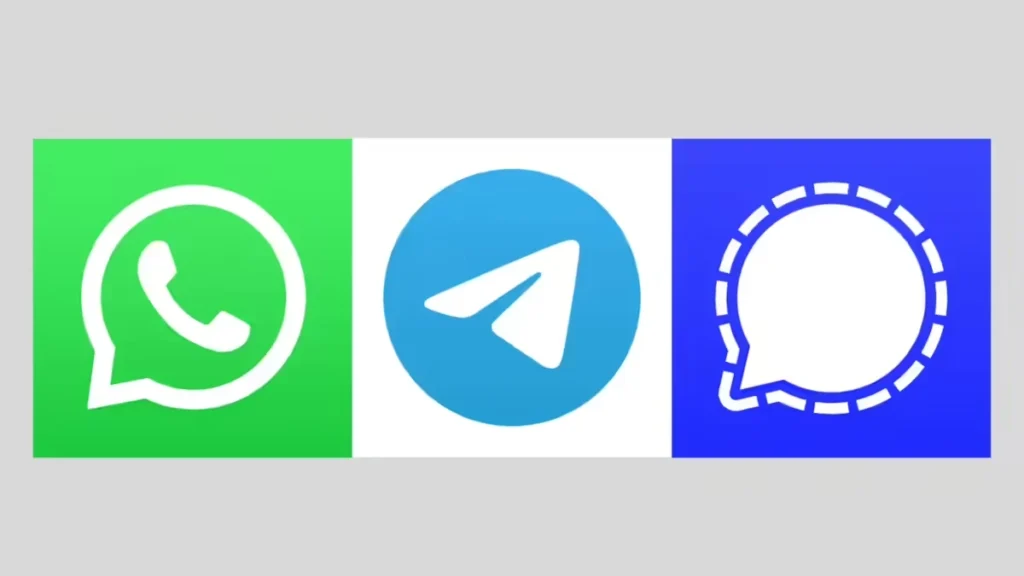
A new SIM-binding regulation is set to come into effect from March 1, 2026, which could change how users access popular messaging platforms such as WhatsApp, Telegram, and Signal. According to the report, these apps may no longer function on devices that do not have the registered mobile number’s active SIM card inserted.
The move is aimed at strengthening cybersecurity and reducing misuse of messaging platforms through inactive or unverified numbers. Authorities have reportedly clarified that there will be no extension to the deadline, and platforms are expected to comply within the given timeframe.
What Will Change From March 1?
Under the proposed SIM-binding framework:
- Users must keep the active SIM card linked to their messaging account inside their primary device.
- If the SIM card is removed, deactivated, or not present in the phone, the messaging service may stop functioning or require fresh verification.
- This means users who previously relied on Wi-Fi-only usage after initial verification may face restrictions.
The rule is intended to ensure that every messaging account remains directly linked to a valid and operational mobile connection.
Impact on Web and Secondary Devices
The report also suggests stricter monitoring of linked devices. Messaging services accessed via desktop or web versions could require periodic re-verification. This may affect users who frequently use messaging apps on laptops, tablets, or secondary smartphones without SIM support.
Why Is This Being Implemented?
The primary objective behind the SIM-binding rule is to curb:
- Cyber fraud
- Fake or anonymous accounts
- Financial scams conducted through messaging platforms
By mandating an active SIM presence, authorities aim to improve traceability and accountability of users operating on these platforms.
Industry and User Concerns
While the regulation focuses on security, it has raised concerns among technology experts and users. Devices such as tablets and Wi-Fi-only smartphones without SIM slots could face limitations. Some observers believe this could impact user convenience and cross-device flexibility.
More clarity is expected once the rule officially comes into force on March 1. Messaging platforms may release updated guidelines or compliance measures closer to implementation.
For now, users are advised to ensure that the SIM card linked to their messaging apps remains active to avoid service disruptions.